Bubi District, Zimbabwe
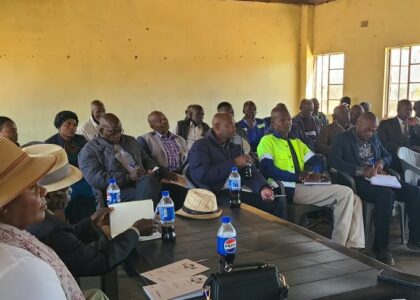
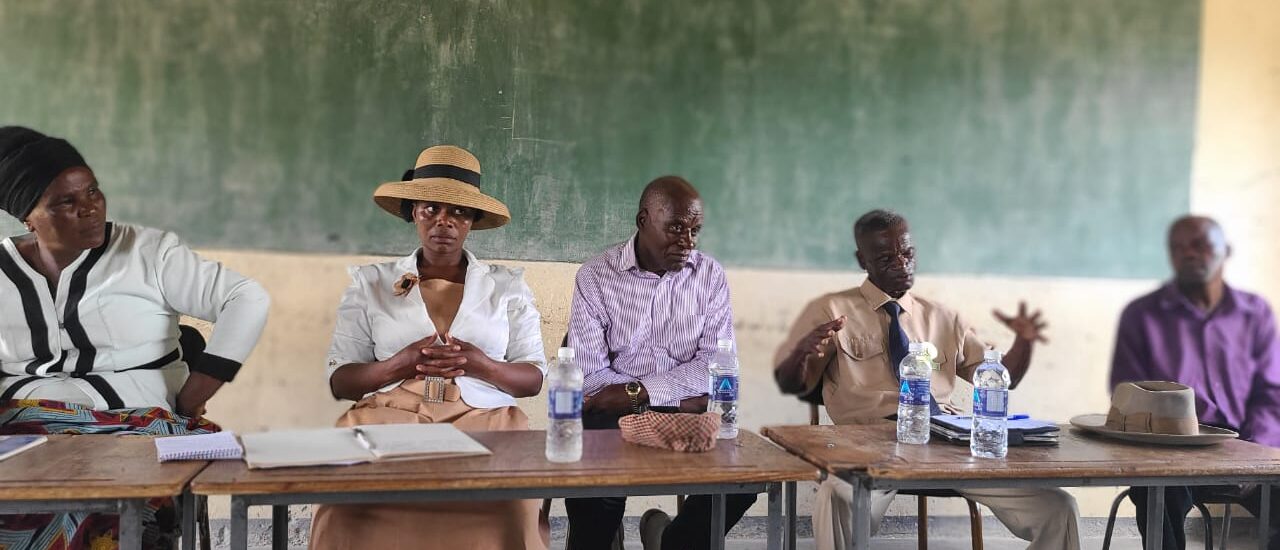
In a move aimed at strengthening community participation, accountability, and inclusive decision-making in natural resource governance, Chief Wondondo has established a Community Advisory Committee (CAC) in his area of jurisdiction. The community-led structure is constituted in line with provisions of the Mines and Minerals Act of Zimbabwe, which recognises the role of communities and traditional leadership in mining activities on communal land.
The Community Advisory Committee provides a formal platform through which community members can engage mining entities operating, or seeking to operate, within the area. Its primary purpose is to ensure that community perspectives inform mining-related decisions, promote transparency, and support peaceful coexistence between miners and local residents.
The committee comprises 15 members, including women and men drawn from the local community, reflecting a commitment to inclusive participation in local resource governance. While women remain under-represented, their inclusion marks an important step toward more balanced representation in traditionally male-dominated decision-making spaces. The committee will facilitate dialogue between communities, traditional leaders, mining companies, and relevant authorities; monitor compliance with agreed mining conditions; and assist in resolving disputes arising from mining activities. It will also play a key role in safeguarding community land, livelihoods, community benefits, and the environment, particularly in gold-mining areas.
Speaking during the establishment of the committee, traditional leadership underscored the importance of people-centred governance. “Communities must not be spectators when resources are taken from their land. This committee creates a space for engagement, accountability, and shared benefits,” said Chief Wondondo.
Habakkuk Trust supported the establishment of the Community Advisory Committee through its Local Inclusive Development initiative, with support from Bread for the World. Under this initiative, the organisation has facilitated capacity-building and provided technical guidance on community rights, natural resource governance, and the roles and responsibilities of both mining actors and local leadership.
The establishment of the CAC is expected to contribute to improved communication, reduced conflict, enhanced environmental protection, and increased prospects for sustainable and inclusive community development.